Choosing the Right Tattoo Size and Placement
Size and placement make or break a tattoo. Here's how I think about both — and the mistake I see most often.
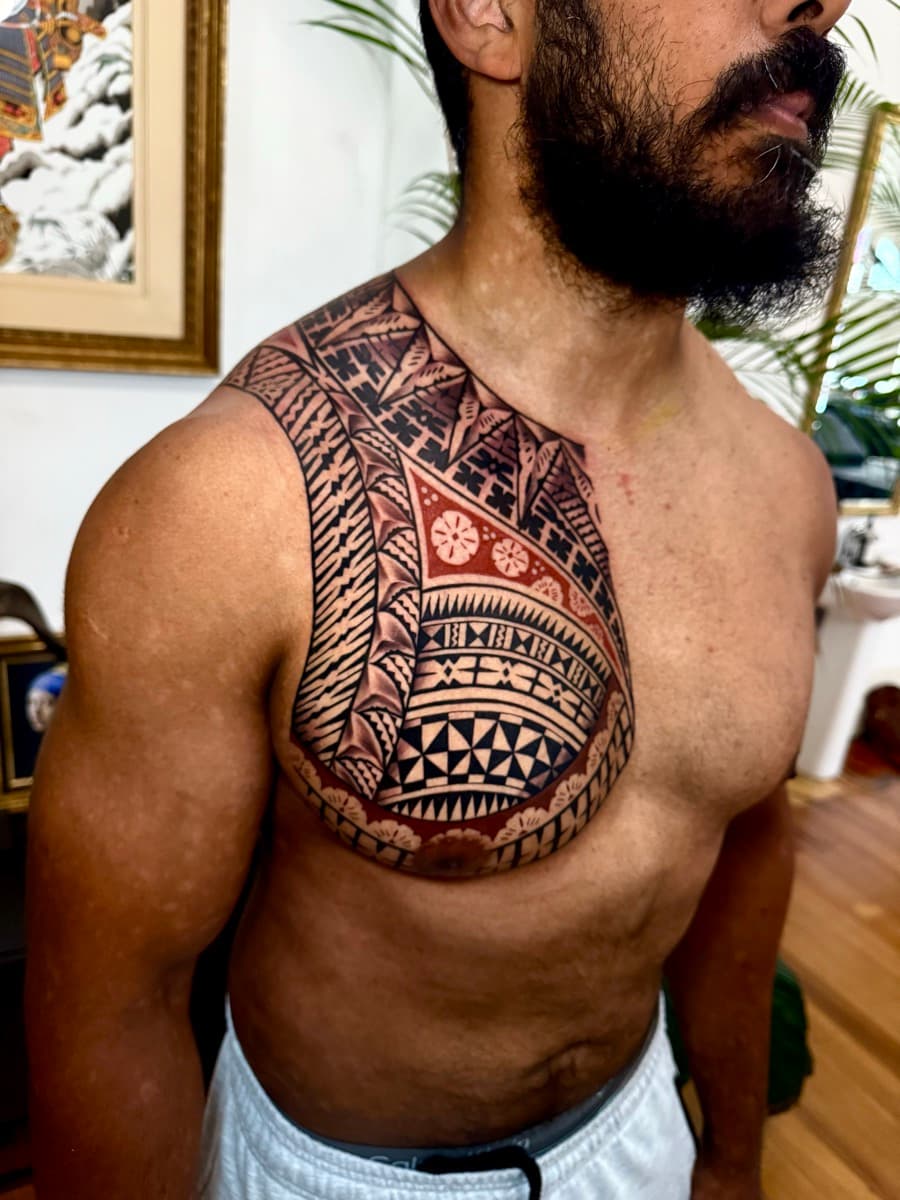
The most common mistake people make with tattoos isn't the design — it's going too small. An intricate mandala crammed onto a 4cm wrist doesn't stay intricate. Within a few years, those fine details merge into a grey blur.
The Size Problem
Small tattoos can be stunning. I do minimal work, single-line pieces, tiny symbols — and they look sharp. But there's a difference between a design that's meant to be small and a complex design that's been shrunk to fit a small area.
Detail needs space. The more complex the design, the more skin it needs to breathe and hold over time.
Here's how I think about minimum sizing:
- Simple linework and symbols — work at almost any size, 3cm and up
- Lettering — needs to be bigger than people think. Small script becomes illegible as ink spreads over the years
- Detailed illustrative work — minimum 10–15cm to hold the detail
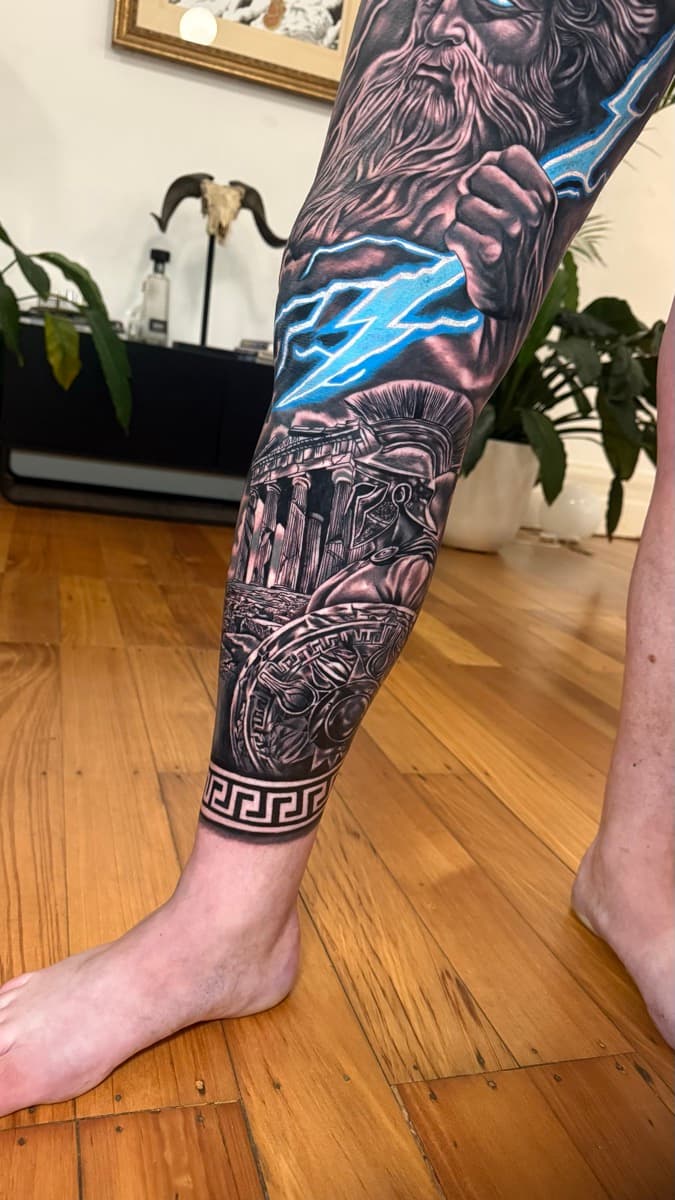
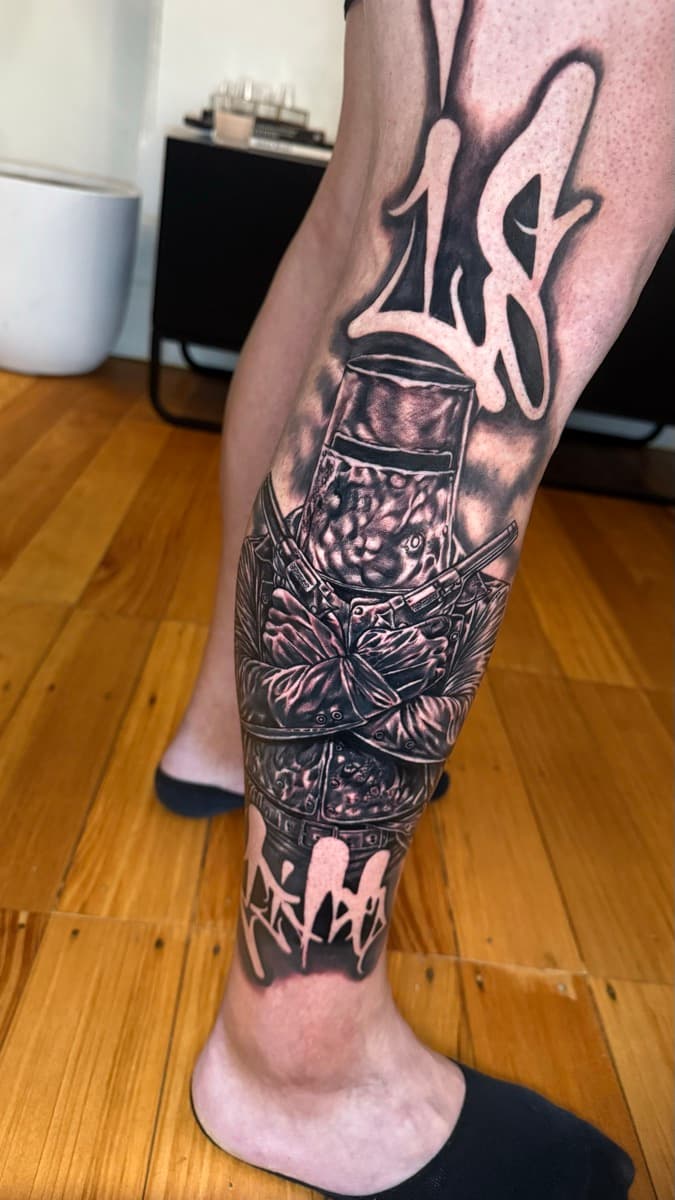
- Portraits and realism — 15cm+ to capture likeness and shading properly
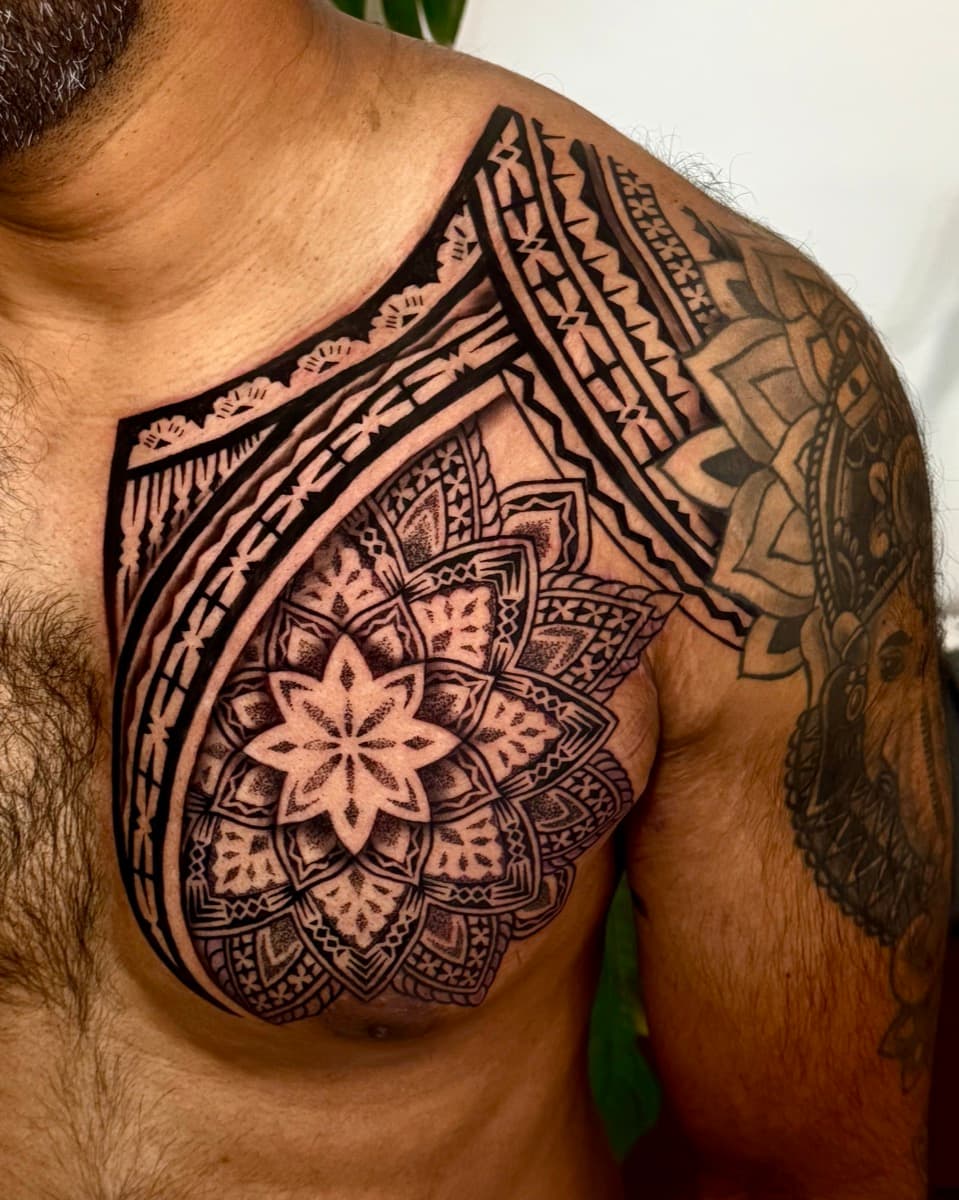
- Polynesian and geometric — scale well, but intricate patterns need adequate spacing between lines
Thinking in Decades
Ink doesn't stay frozen. Over the years, it migrates slightly as it settles into deeper skin layers. Lines that are very close together will eventually merge. Fine details soften. Contrast fades.
A tattoo that's properly sized ages gracefully. Lines stay distinct. Negative space stays clean. The composition reads from a distance, not just up close.
Placement: Where the Art Lives
Placement isn't just about aesthetics or pain — it affects how the design flows with your body, how it ages, and how you relate to it daily.
Where Everyone Sees It
Forearm, wrist, hand, neck. These are the areas you and the world see most. They're confident choices. But hands and fingers age fast — constant use, sun exposure, frequent washing all wear the ink down quicker than protected areas. I always discuss this honestly when someone wants hand or finger work.
The Sweet Spot
Upper arm, shoulder, calf, thigh. Visible when you want, covered when you don't. These areas offer large, relatively flat canvases that hold detail well and age cleanly. If I'm recommending a placement for someone's first piece, it's usually here.
Personal Placements
Back, ribs, chest, inner bicep. More intimate — these are tattoos you choose to show. The back is the biggest canvas on the body, perfect for ambitious work. Ribs and chest tend to be chosen for pieces with deep personal meaning.
Tip
Think about your actual life. If you wear business clothes to work and need discretion, an upper arm piece hides completely under a short sleeve. A forearm piece doesn't. Neither choice is wrong — just be intentional.
Working With Your Body
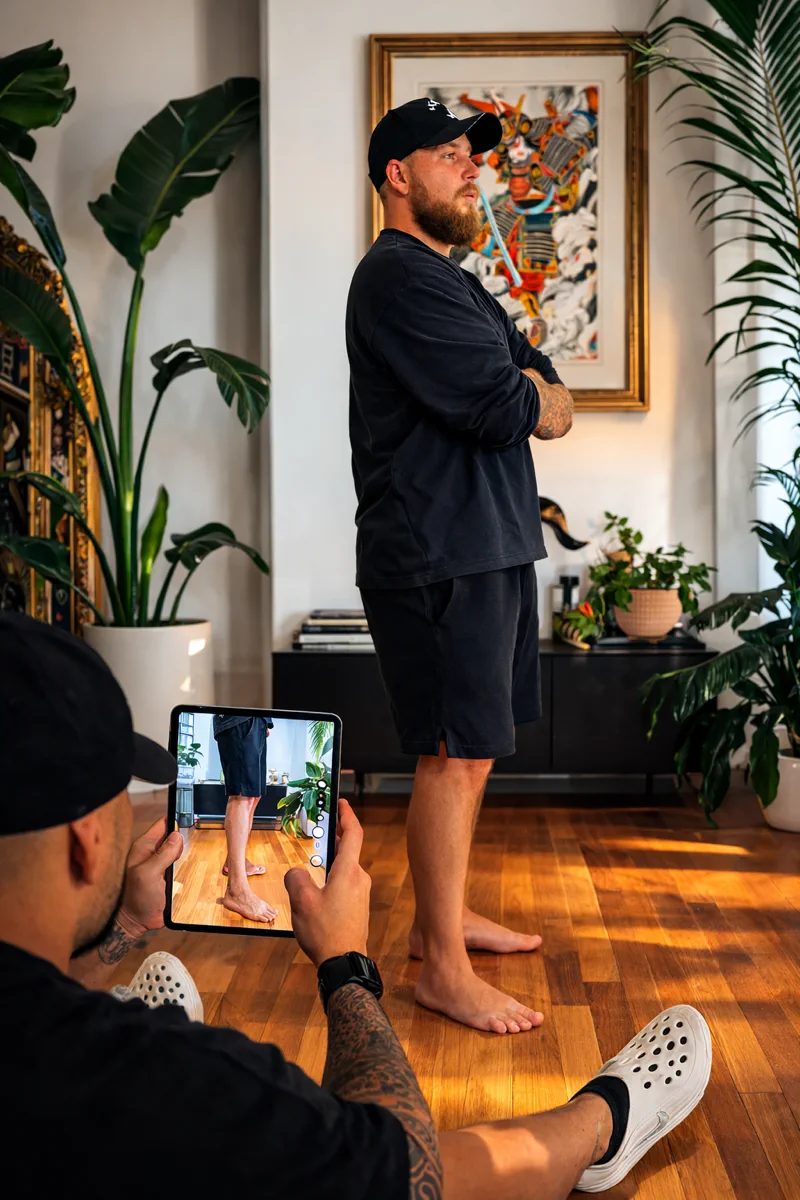
Tattoos wrap around muscles, follow bone lines, and move when you do. This is something I account for in every design:
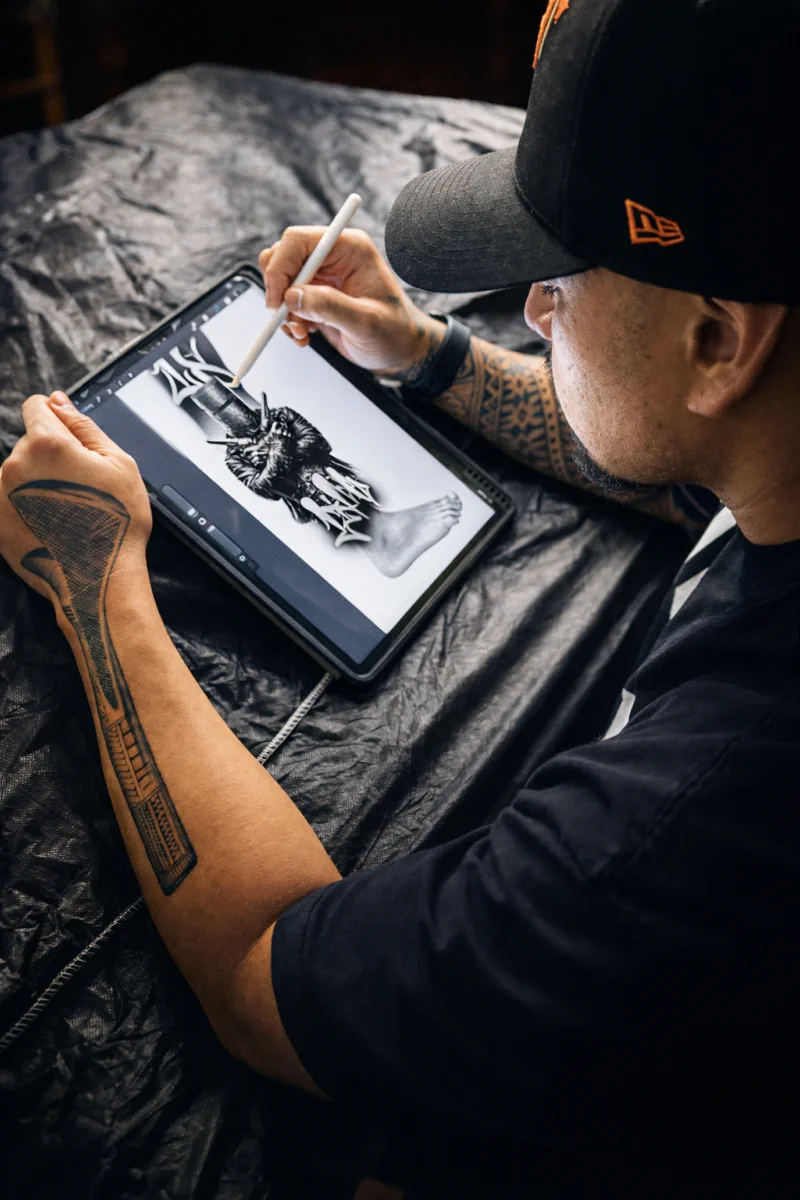
- Curved areas like the shoulder and calf work beautifully with flowing, organic designs
- Flat areas like the upper back and thigh can support more structured, geometric compositions
- Bony areas like the wrist and ankle need simpler designs that don't fight the underlying structure
- Areas that stretch like the inner arm and stomach need designs that stay coherent through movement
If a placement isn't working for a design, I'll tell you — and I'll suggest where it would work better.
Symmetry
If you're considering matching or balanced tattoos — both forearms, both calves — let me know early. I'll design them as a pair from the start so they feel cohesive in size, style, and placement.
Pain by Area
I talk about this in more detail in my pain guide, but the short version:
- Easier areas: outer arm, calf, thigh, upper back, shoulder
- Moderate: forearm, chest, lower back
- Challenging: ribs, spine, elbow ditch, knee ditch, feet, hands
How to Decide
When a client is torn on placement, I walk them through this:
- Start with the design. What does it need? How much space? What shape canvas?
- Consider your body. Where does your anatomy offer the right canvas — the right curves, the right amount of real estate?
- Think about context. How visible do you want this? Does it need to be coverable?
- Plan ahead. Are more tattoos likely? If so, where does this piece fit into a future collection?
The placement conversation is one of the most important parts of a consultation. It's not an afterthought — it's design.
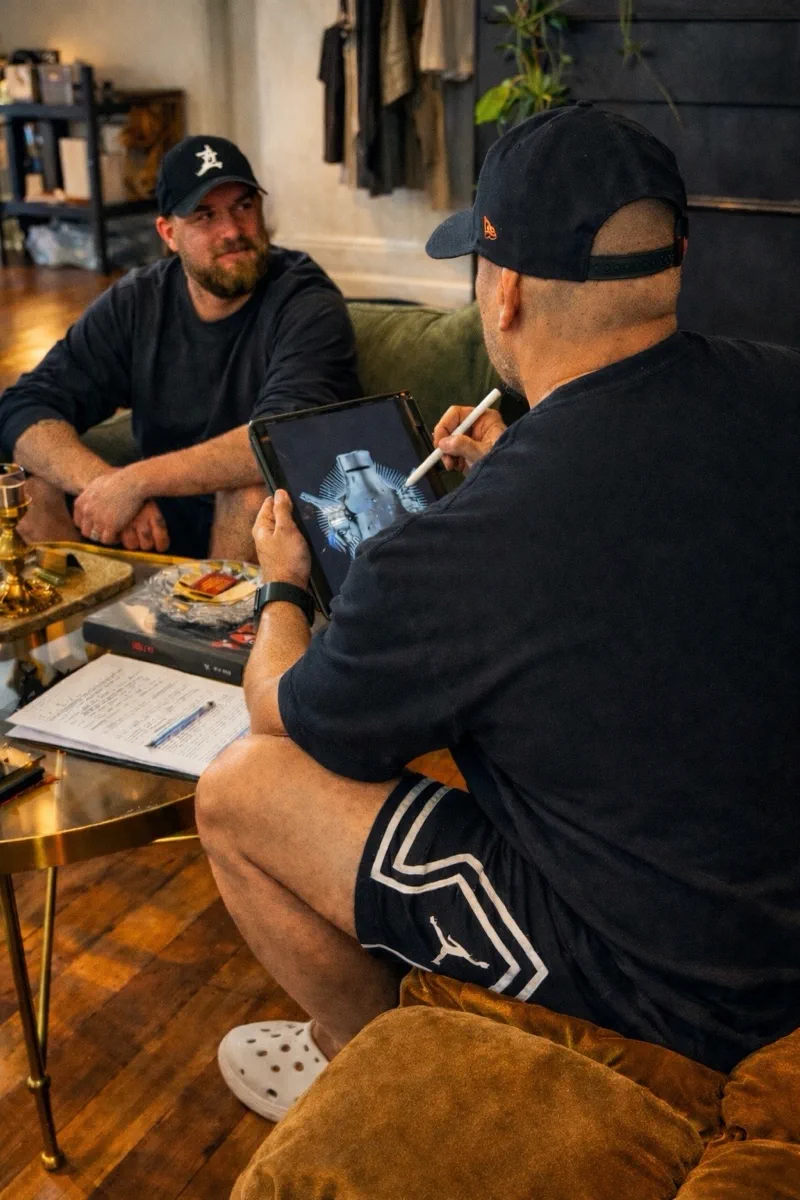
Bring your idea to the studio and we'll figure out where it belongs. That's half the fun.
Ready to have that conversation? Consultations are free — phone, video, or in person at Memento Tattoo in Newtown. Book a time, and read how the custom design process works to see what happens next.