Tattoo Pain: An Honest Guide by Body Area
Everyone asks how much it hurts. Here's the most honest answer I can give — from the areas that barely register to the ones that genuinely test you.
It's the first thing every first-timer asks. Sometimes it's the first thing experienced clients ask too, especially when they're booking a rib piece after getting their first tattoo on a nice padded shoulder.
The honest answer: yes, it hurts. But it's almost certainly not as bad as you're building it up to be. I've tattooed hundreds of people. The vast majority describe it as "uncomfortable but fine." A few find it genuinely easy. A few find it genuinely hard. Almost nobody finds it unbearable.
Here's what I've actually observed, area by area.
What It Feels Like
A tattoo machine drives ink-loaded needles into the dermis layer of your skin. The sensation is usually described as:
- A hot scratch — like someone drawing a line across sunburnt skin
- A vibrating pressure — during shading, it's more buzz than sting
- A sharp, focused sting — that's thin skin over bone
The anticipation is almost always worse than the reality. Most first-timers are surprised by how manageable it is once the needle actually starts.
The first minute or two is the worst — your nervous system is on high alert and hasn't had time to adjust. After that, endorphins kick in and the sensation dulls noticeably. Sessions over 3 hours can get more uncomfortable toward the end as those endorphins deplete, but we take breaks as needed.
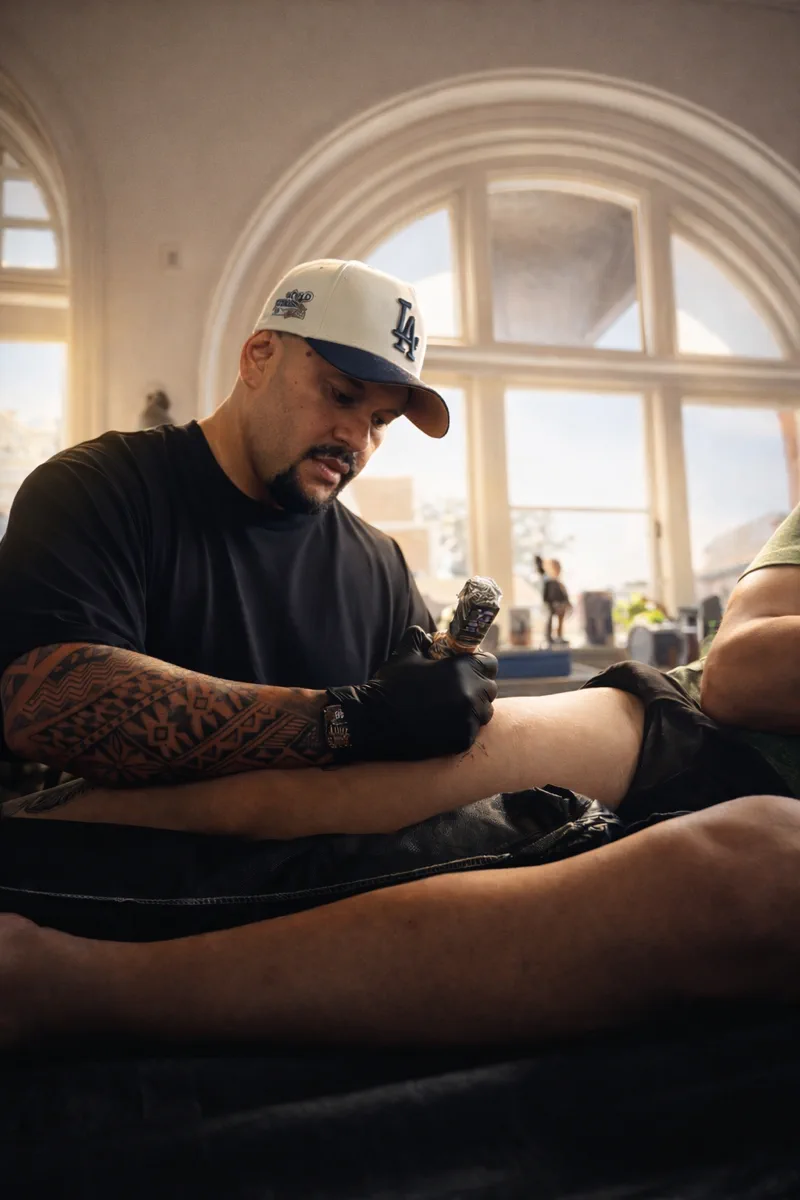
Area by Area — From My Chair
Barely Notices It
Outer upper arm and shoulder. The go-to first-tattoo spot. Thick skin, decent muscle padding, not many nerve endings. Most clients chat through this area like nothing's happening.
Outer forearm. Similar deal. Well-padded, straightforward. The top of the forearm is easier than the sides.
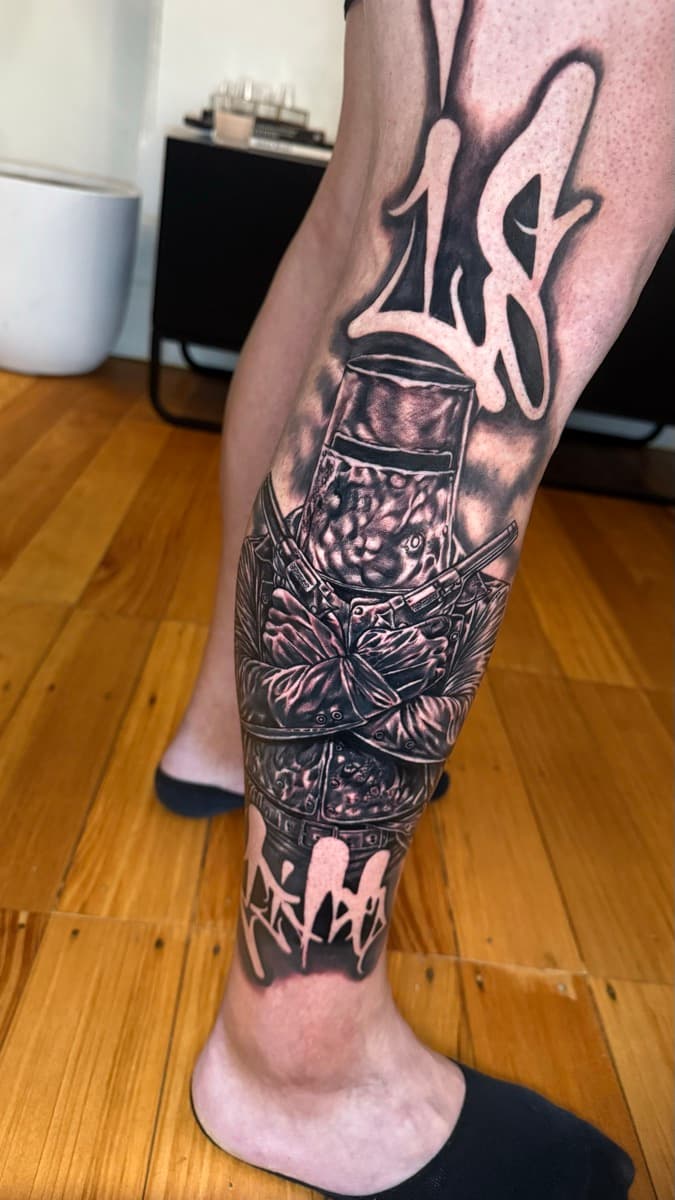
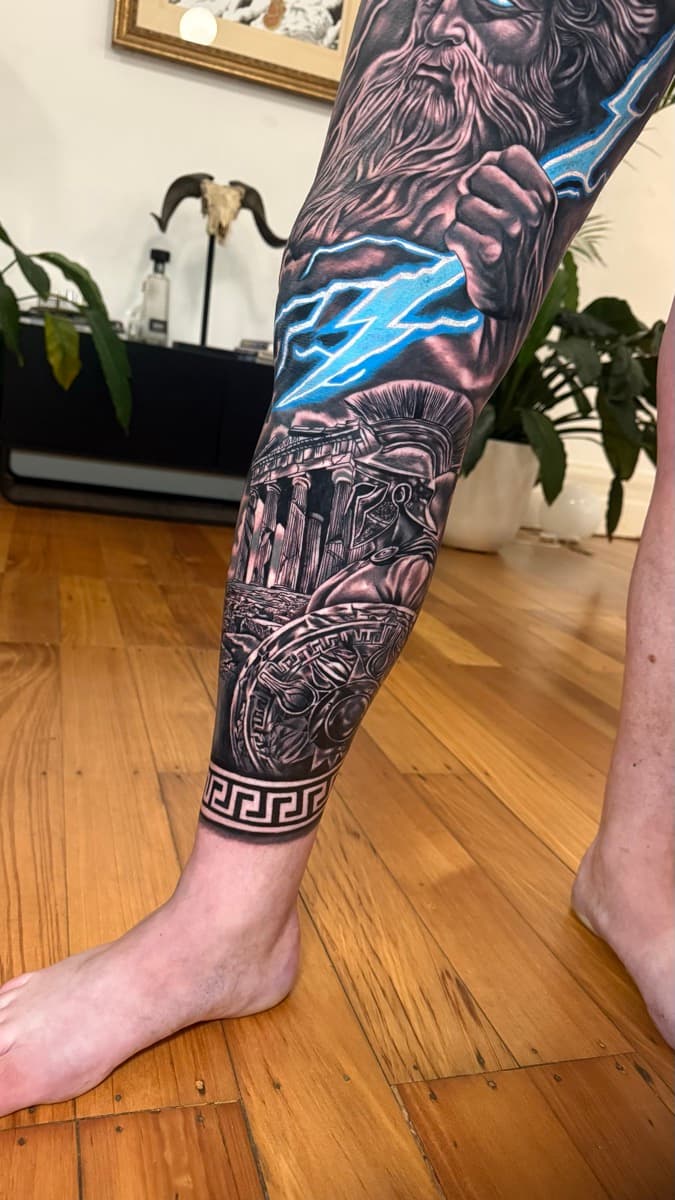
Calf. Good muscle coverage. One of the most comfortable areas — people are often surprised how easy it is.
Upper thigh. Lots of padding, thick skin. Very manageable. Most people underestimate how comfortable this area is.
Upper back. Between the shoulder blades is well-muscled and low on nerves. Great canvas, easy session.
Notices It but Handles It
Inner forearm. Thinner skin, more nerve endings than the outer side. You'll feel it, but it's very manageable.
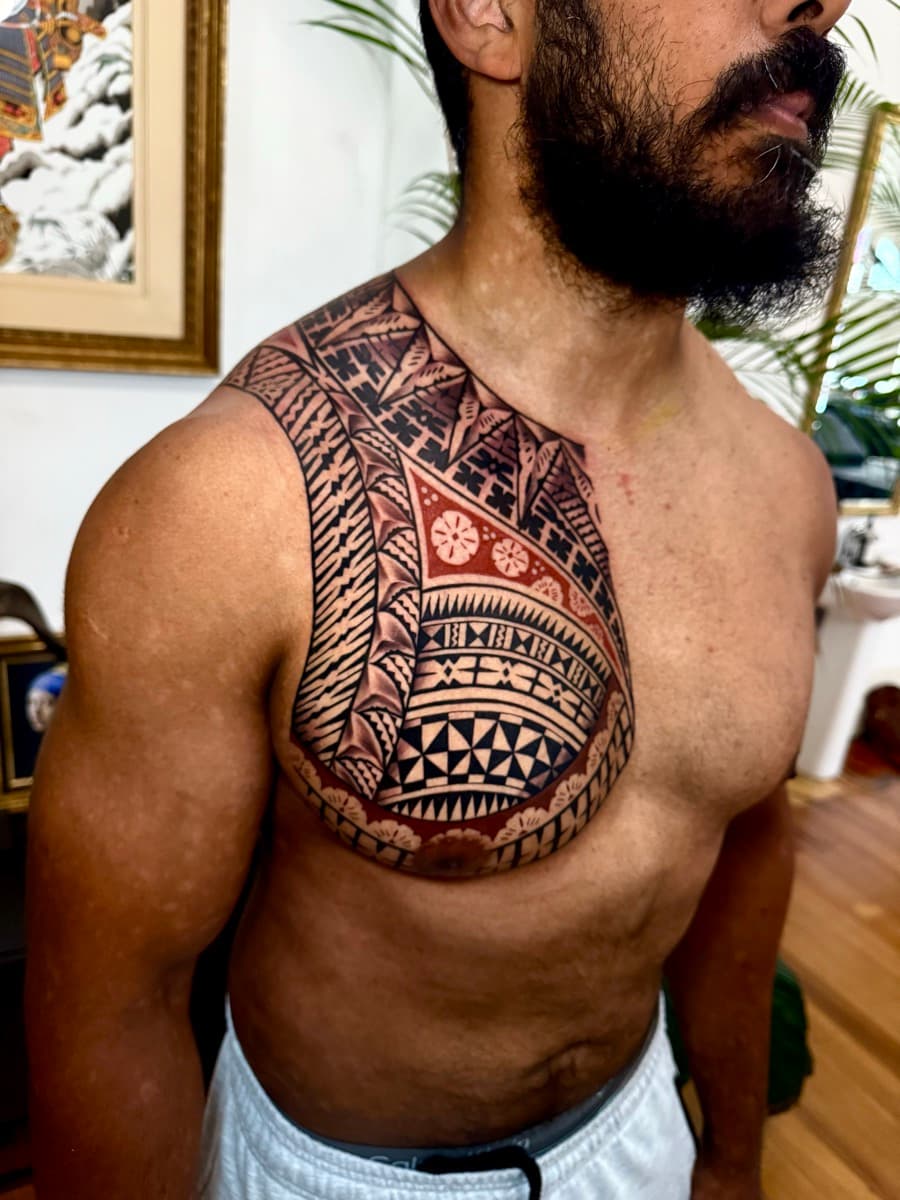
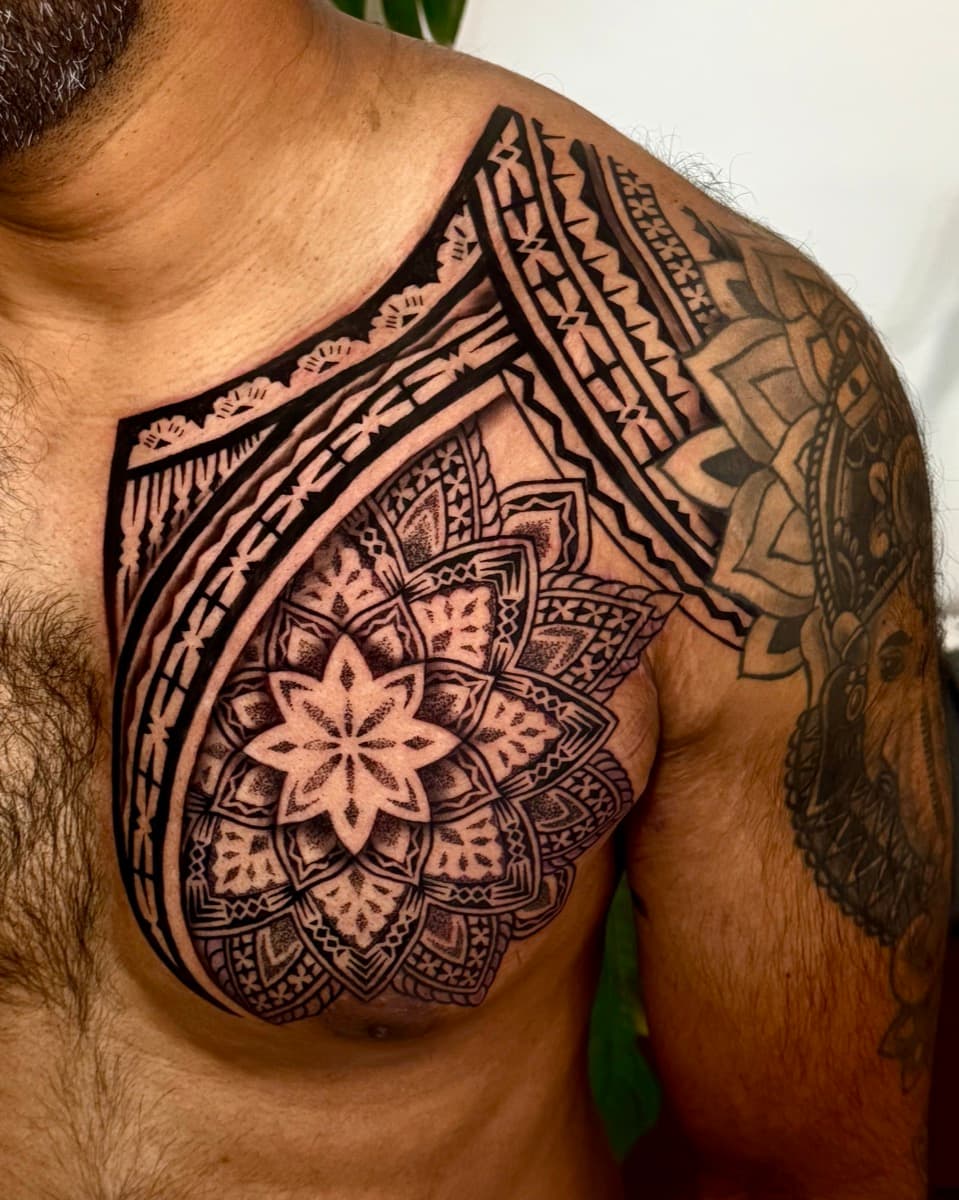
Chest. Varies a lot — the outer chest has decent padding, but as you get closer to the sternum it gets bony and tender.
Bicep. Outer bicep is easy. Inner bicep — the soft underside heading toward the armpit — is noticeably more sensitive. Thinner skin, closer to lymph nodes.
Lower back. More nerve-dense than the upper back. Most people handle it well but it registers more.
Takes Some Grit
Ribs. Consistently ranked among the more challenging spots. Thin skin over bone, and the vibration resonates through your rib cage. It's not unmanageable — but it demands your attention. First-timers can absolutely handle it with the right mindset.
Spine. Directly over the vertebrae. Bony, nerve-dense. Short sections are fine; extended work here is a grind.
Elbow and knee ditch. The soft inner folds where your arm and leg bend. Very thin, very sensitive skin. I'll usually knock these areas out quickly and move on.
Foot and ankle. Thin skin, barely any padding, lots of small bones. The ankle bone and top of foot are sharp.
Hands and fingers. Quick but intense. Your hands are wired with nerve endings for fine motor control — the skin is thin and there's bone right underneath.
Tip
If you're nervous about pain, start with a piece in an easier area — shoulder, forearm, thigh. Once you know how your body responds and what it actually feels like, you'll have a much better sense of what you can take on next.
Genuinely Tough
Sternum. Right over the breastbone with zero padding. The vibration travels through the bone itself. Generally considered harder than ribs.
Neck and throat. Thin skin, dense nerves, and the psychological factor of a machine near your face. This area is rarely someone's first.
Armpit transition. When a sleeve or chest piece extends into the armpit fold — that transition zone is the most consistent "this one hurts" feedback I get.
What Affects Your Experience
Technique. Linework is sharper (single needle, precise). Shading is more of a hum. Colour packing requires multiple passes and can wear on you over time. Whip shading is gentler.
Your state. Being well-rested, well-fed, and hydrated makes a genuine difference. I can tell when someone hasn't eaten — they're more sensitive, more fidgety, more likely to feel faint. Eat a proper meal. Bring water.
Session length. Under 2 hours is manageable for almost anyone. Over 3 hours, your body's natural pain management starts fading. The last hour of a long session feels different from the first.
Mindset. This is the biggest one. Clients who come in tense and anxious genuinely experience more pain than clients who come in relaxed. Bring music. Bring a podcast. Breathe slowly. Let your body relax into the bench. It makes a measurable difference.
The Bottom Line
Tattooing involves discomfort. It is not the agony that movies and TV make it out to be. The pain is temporary and the vast majority of people — including people who consider themselves low-tolerance — get through it fine.
The pain lasts a few hours. What you're left with lasts the rest of your life.
Everyone says the same thing when they're done: "That wasn't as bad as I thought."
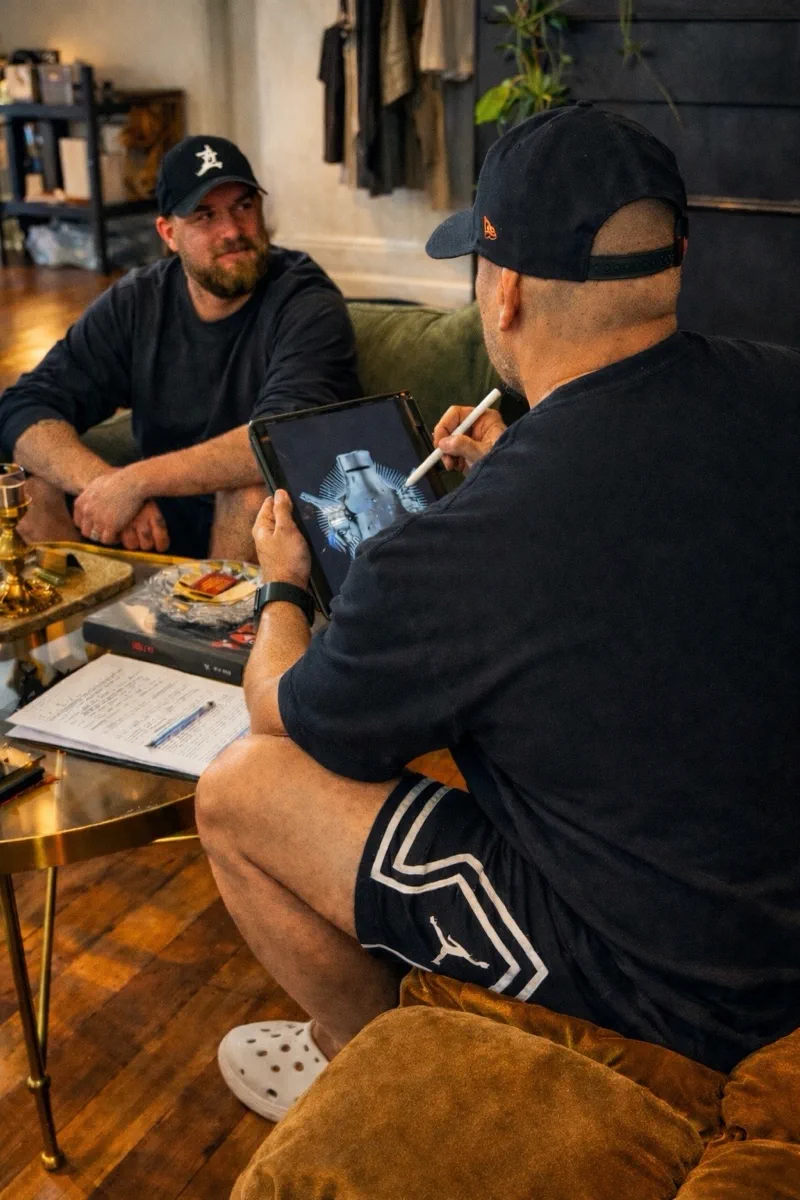
Worried about a specific spot? Placement is half the pain equation — my guide to size and placement covers it, and a free consultation is the place to talk it through honestly before you commit to anything.